Qualitative research plays a critical role in doctoral studies, especially in disciplines that seek to understand human experiences, meanings, and social processes. If you are a PhD student planning a qualitative study—or struggling to explain your methodology clearly—understanding the core characteristics of qualitative research is essential.
This article breaks down the main features of qualitative research in a practical, accessible way. Rather than relying on dense textbook definitions, it explains how these characteristics actually show up in real PhD research projects.
What Is Qualitative Research?
Qualitative research is an approach to inquiry that focuses on exploring how people experience, interpret, and make sense of the world around them. Instead of measuring variables numerically, it prioritizes words, narratives, observations, and meanings.
Researchers use qualitative methods when they want depth, context, and insight—particularly in social sciences, education, health, and humanities research.

Characteristics of Qualitative Research
Naturalistic Inquiry: Studying Real-Life Contexts
One defining characteristic of qualitative research is naturalistic inquiry. This means that research takes place in real-world settings rather than controlled or artificial environments.
Qualitative researchers aim to understand phenomena as they naturally occur. Instead of manipulating variables, they observe and engage with participants in everyday contexts such as classrooms, workplaces, hospitals, or online communities.
For PhD students, this approach helps capture authentic behaviors and experiences that would be difficult to replicate in experimental conditions.

Rich and Thick Description
Qualitative research is known for its rich, detailed descriptions, often referred to as “thick description.” The goal is not just to report what happened, but to explain how it happened, why it mattered, and what it meant to participants.
Instead of brief summaries or numerical findings, qualitative studies provide in-depth narratives supported by direct quotes, observations, and contextual detail. This level of detail allows readers to fully understand the phenomenon being studied.
For doctoral research, rich description strengthens credibility and allows examiners to see how interpretations are grounded in the data.

Emphasis on Participant Perspectives
Another key characteristic of qualitative research is its focus on participant perspectives. Researchers seek to understand experiences from the viewpoint of the people directly involved.
This means prioritizing participants’ voices, meanings, and interpretations rather than imposing predefined categories or assumptions. Interviews, focus groups, and open-ended questions are commonly used to achieve this.
For PhD students, this often translates into careful use of participant quotations and reflexive writing that acknowledges how meanings were constructed during the research process.

Sensitivity to Context
Qualitative research is deeply context-sensitive. Human experiences are shaped by social, cultural, historical, and institutional environments, and qualitative researchers intentionally consider these influences.
Rather than isolating variables, qualitative studies examine how context affects behavior and meaning. Findings are interpreted within specific settings, and researchers avoid making broad universal claims.
In doctoral research, clearly describing the research context enhances transparency and helps readers determine whether findings may be transferable to other settings.

Inductive Data Analysis
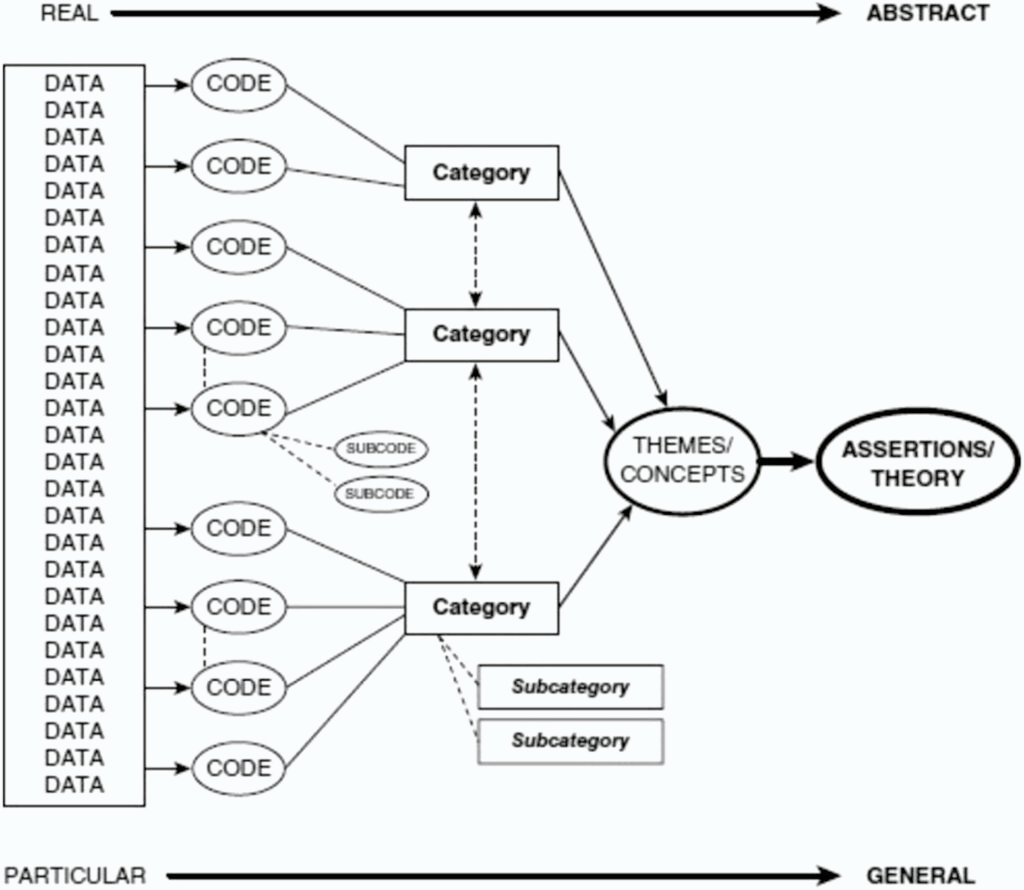
Most qualitative studies rely on inductive analysis, meaning that theories and themes emerge from the data rather than being imposed beforehand.
Researchers begin with raw data—such as interview transcripts or observations—and gradually identify patterns, categories, and themes through coding and analysis. This bottom-up approach allows findings to remain closely connected to participants’ experiences.
For PhD students, inductive analysis encourages openness and reflexivity, especially during early stages of data interpretation.
Flexibility and Emergent Research Design
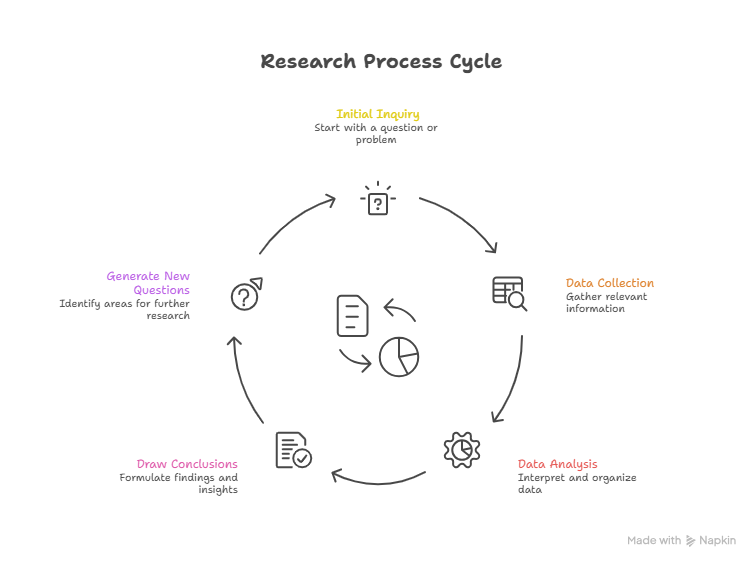
Flexibility is another defining feature of qualitative research. Research designs are often emergent, meaning they can evolve as new insights arise during data collection.
Researchers may refine interview questions, explore unexpected themes, or adjust data collection strategies based on what they learn in the field. This flexibility allows for deeper and more meaningful findings.
For doctoral students, this adaptability is a strength—not a weakness—when it is clearly documented and theoretically justified.
Why These Characteristics Matter for PhD Research
Understanding the characteristics of qualitative research helps PhD students design stronger studies, conduct more rigorous analyses, and clearly justify methodological decisions in dissertations and journal articles.
Qualitative research is not unstructured or vague. When applied thoughtfully, it is systematic, transparent, and deeply analytical—offering insights that quantitative methods alone cannot capture.
Final Thoughts
The core characteristics of qualitative research—naturalistic inquiry, rich description, participant perspectives, context sensitivity, inductive analysis, and flexibility—work together to support meaningful and credible research.
For PhD students, embracing these principles can lead to more insightful research outcomes and a clearer methodological identity.
If you are navigating qualitative methods in your doctoral journey, understanding these characteristics is a strong foundation for success.